
Refrigerated Storage San Antonio TX: Cold Chain for Farmers and Co-ops
San Antonio sits in that tricky band of Texas where the heat is relentless and the harvest calendar stretches long. Peaches roll in while onions still cure. Citrus arrives when the last winter greens are at their best. For farmers and co-ops, that abundance only pays if the cold chain is tight from field to fork. Refrigerated storage in San Antonio TX is more than renting a chilly box. It is about matching temperature, humidity, handling, pack sizes, and delivery windows to the biology of what you grow and the rhythms of your buyers.
I have walked too many coolers with soft berries and sweating cartons to pretend that refrigerated storage is a simple commodity. The right cold storage facility can make a season. The wrong one can double your shrink. This guide focuses on how growers, food hubs, and cooperatives in and around Bexar County can design a reliable, cost‑sensible cold chain using a mix of on‑farm cooling, shared infrastructure, and commercial refrigerated storage near me options that fit real schedules and real budgets.
Heat, quality, and the clock
Vegetables and fruit never stop respiring. Heat drives respiration, and respiration drives loss. A tomato at 80°F breathes roughly twice as fast as it does at 60°F. Leafy greens can lose marketable life by the hour if they sit warm. In a San Antonio summer, a pallet on an uncovered dock can hit 110°F on the surface. That short window between harvest and pre‑cool can mean the difference between a 10‑day shelf life and five.
When growers call asking whether they need a cold storage facility or if a standard walk‑in will do, I ask about crops and throughput. Sweet corn and strawberries demand aggressive field heat removal and near‑constant 32 to 34°F storage. Peppers and cucumbers sulk at those temps and prefer 45 to 50°F to avoid chilling injury. Winter squash likes it warmer, around 55°F with moderate humidity. If your crop mix spans those needs, a single cooler set point is a compromise that hurts someone. That’s where refrigerated storage San Antonio TX operators who offer multi‑zone rooms or adjustable ranges become valuable.
The local cold chain landscape
San Antonio’s food system blends small acreage vegetable farms, Hill Country orchards, ranch‑adjacent produce projects, food co‑ops, and urban aggregators moving to farmers markets and regional grocers. Distances matter. A grower in Poteet might be 45 minutes from downtown. Someone coming in from Hondo or Seguin may be closer to an hour. Fuel, time, and spoilage risk should shape whether you invest in your own cold space, use a third‑party cold storage facility San Antonio TX side, or combine both.
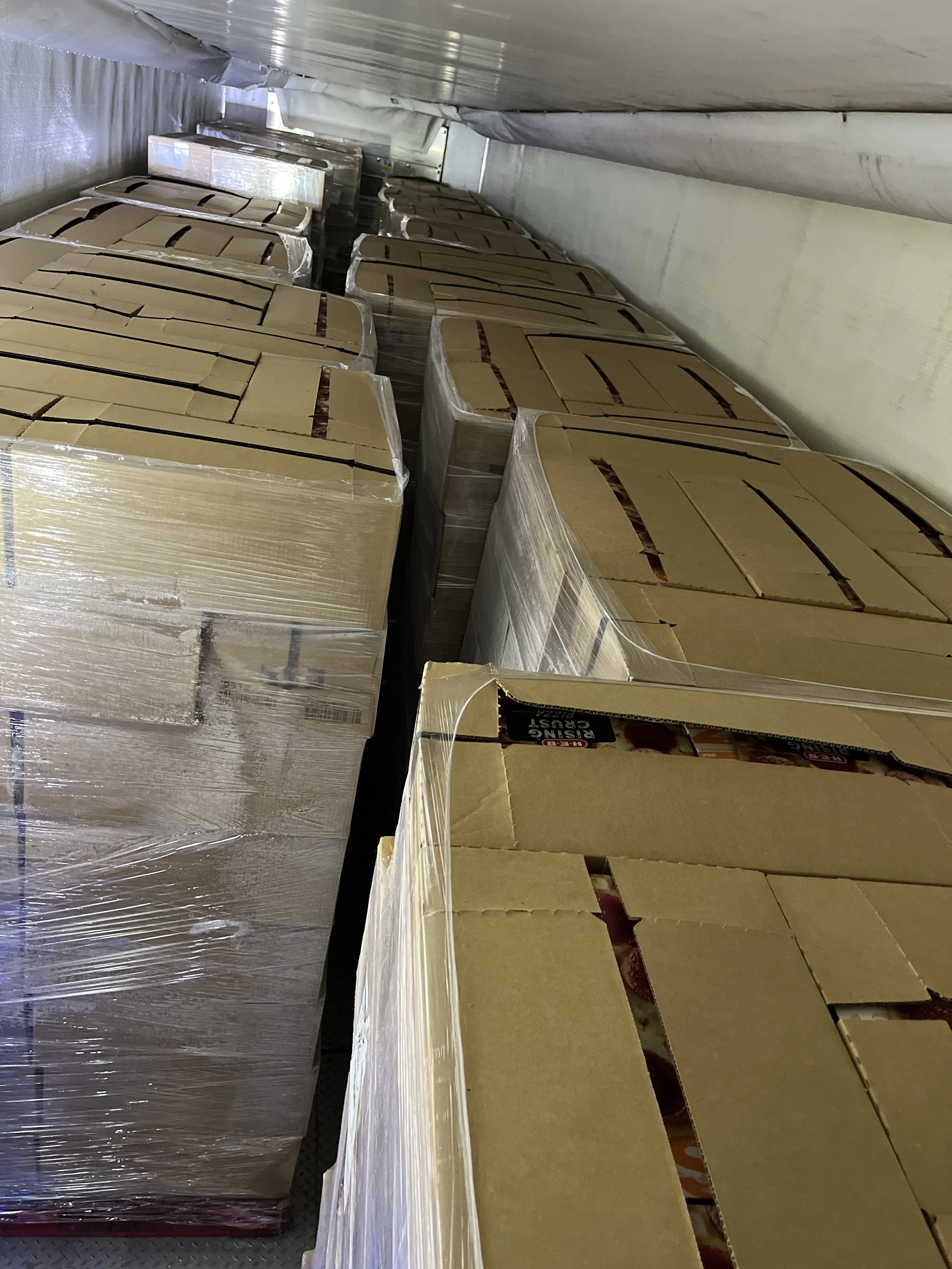
Local infrastructure exists in three broad categories. Some farms have modest on‑site coolers, often 8 by 10 feet to 10 by 20 feet, enough to pull field heat and stabilize the day’s pick. There are shared spaces, often run by co‑ops or non‑profits, that offer hourly or pallet‑based cold storage and limited cross‑docking for farmers delivering to markets or CSA hubs. Finally, there are commercial options, the larger refrigerated storage near me listings with loading docks, pallet jacks, multiple temperature zones, and staff who understand HACCP and third‑party audits. The trick is stitching those into a chain that fits your harvest rhythm and your buyers’ demands.
What to ask a cold storage facility before you sign
I have sat through too many sales pitches that focused on square footage and ignored the realities of produce. Space is only useful if your product leaves in the quality you promised. When touring a cold storage facility, pay attention to the heat load design, defrost cycles, and door management. Repeated door openings in a small room can spike temperatures several degrees and ice the evaporator faster than you think. Ask about floor drains, airflow patterns, and how they stage mixed pallets with mixed temperature needs.
There is also the matter of traceability. Most retailers require lot codes, first‑in first‑out handling, and temperature logs. A reliable refrigerated storage operation will have digital probes, visible monitoring, and staff trained to move pallets by lot. If they shrug when you mention FSMA and GAP, keep looking.
For growers moving mixed pallets that include high‑respiration items like greens next to lower‑respiration items like squash, ask about humidity control. If the room runs too dry, leafy items wilt even at the right temperature. If it runs too wet, carton quality suffers and you invite decay organisms. Many operators will target 85 to 95 percent relative humidity for fresh produce. Confirm that.
Matching temperature zones to crops
You can manage with two set points if you curate your mix carefully, but three is safer. Farmers often treat 32 to 34°F for ice‑cold and 55°F for the warm zone, with a middle band around 45°F for sensitive items. In practice, a co‑op might dedicate one small room for the 32 to 34°F set point, large enough for berries, greens, herbs, and corn, a larger 40 to 45°F room for tomatoes that are vine‑ripe, cucumbers, eggplant, and some stone fruit, and a 50 to 55°F zone for winter squash, sweet potatoes, and bananas if those are ever cross‑docked. The economics favor consolidating where you can, but do not push tomatoes to 34°F. Chilling damage may not appear immediately, yet the texture and flavor will tell on the retail shelf.
Humidity deserves the same respect. Crisp lettuce holds longer at high humidity, but that same environment can soften cardboard. Use waxed cartons or RPCs that tolerate moisture. If your cold storage facility relies on heavy dehumidification to prevent icing, you may need bin liners or misting protocols to prevent water loss. Talk about this upfront, or you will be swapping boxes mid‑season.
Building pre‑cool into the plan
The biggest mistake I see when folks search for “cold storage facility near me” is assuming the facility will compensate for slow pre‑cooling on the farm. Cold storage stabilizes. It rarely fixes late pre‑cooling. Forced‑air coolers or hydrocooling on‑farm can pull the product temperature down quickly, often within 30 to 90 minutes depending on the crop and package. A standard walk‑in without airflow ducting may need 6 to 12 hours for the same temperature drop. That lag shows up later as shortened shelf life.
For co‑ops without capital for full pre‑cool equipment, a hybrid can work. Arrange timed receiving windows at the refrigerated storage San Antonio TX site that include rapid forced‑air tunnels for certain products. You may pay per pallet for that service, but you keep your product alive. The logistics must be tight, meaning harvest finishes, loads move on a cooled truck or with proper insulation, and you hit the tunnel within a predictable window.
Dock practices that make or break quality
The gap between the truck and the cooler door is where quality evaporates. In the San Antonio heat, a pallet exposed for 10 minutes can climb several degrees. That temperature spike condenses inside sealed plastic liners once the pallet returns to cold air, which drives water into places microbes love. Use dock seals whenever possible. If the facility does not have them, push for pop‑up tents or temporary shade that reduces radiant load. Stage pallets inside the cooler, not at ambient, if there is any delay. Train staff to minimize door open time and to work refrigerated storage San Antonio TX in pairs to move pallets quickly.
I have seen good facilities schedule door rotations, moving from one room at a time to maintain set points and avoid cross‑contamination. If you are sharing space, ask how many clients load out at once and whether windows are staggered. A crowded dock will slow your crew and erode your hard‑won temperature control.
Food safety, audits, and insurance
Farmers and co‑ops who sell to schools, hospitals, or chains usually face third‑party audits. A cold storage facility should have documented pest control, sanitation schedules, and lot tracking. Temperature logs must be continuous, not once a day on a clipboard. If the operator cannot provide 12 months of logs upon request, your audit trail is compromised. Also ask about recall procedures. Do they have a plan to isolate lots? Can they notify you within hours if a co‑tenant reports an issue?
Liability and insurance seem tedious until a pallet tips or a power outage ruins a week’s revenue. Clarify who insures product at rest. In some contracts, the facility’s policy covers building and equipment but not client inventory. You may need an inland marine policy that follows your goods from field to storage to delivery. Price that before you quote your buyers a season‑long rate.
Cost structures and how to compare them
Comparing facilities is not straightforward. Some charge by the pallet per day. Some charge by cubic foot per month. Others include receiving and load‑out in a pallet rate, while a few nickel‑and‑dime every touch. Ask for a sample invoice based on your expected volume and activity. If you move daily, the per‑touch fees matter. If you store long term, the cubic foot rate takes priority. Add fuel and time into the equation. A cheaper warehouse an hour away can be more expensive than a pricier one 15 minutes from your aggregation point once you account for labor and truck costs.
Volume breaks are real. Many operators offer lower rates beyond a threshold, often around 20 to 30 pallets per month. Co‑ops can help members reach those tiers. I have seen five small farms combine into one account and save 15 to 25 percent compared to separate accounts that never reached the break. The admin load is heavier, and you need clean paperwork to avoid misallocating charges, but the math can work.
On‑farm cooling that complements rented space
Space in a commercial cold storage facility San Antonio TX way is valuable, but it is not a substitute for field‑proximate cooling. A simple, well‑insulated walk‑in with a 1 to 1.5 horsepower condensing unit can stabilize greens while the truck runs a route. Add a forced‑air shroud and a squirrel‑cage fan, and you can drop berry temperatures fast without building a full tunnel. For wet‑tolerant crops, a clean stock tank with circulating chilled water can be a DIY hydrocooler for peppers and carrots at small scale. These investments are modest compared to the cost of lost product and repeated emergency runs to a warehouse just to cool.
A well‑timed workflow matters more than fancy equipment. Harvest with the sun low, shade the bins immediately, move to cold within an hour, and keep airflow around cartons by not stacking too tight. When the refrigerated storage is 30 minutes away, that discipline keeps core temperatures from climbing during the drive.
Transportation that keeps the chain intact
Not every farm can afford a reefer truck. Insulated box trucks with phase‑change panels or active 12‑volt air conditioners are a reasonable middle option for short runs. For smaller loads, coolers packed with ice packs and reflective blankets can hold temperature long enough to bridge to the warehouse. Monitor with a data logger, not guesswork. A $70 logger tells you whether your setup holds under a 100°F afternoon.
Staging routes in a smart order helps. Load the warmest products last, closest to the door, so they move first at the facility. Build stop sequencing so that heat‑sensitive pallets spend the least time in transit. If your refrigerated storage near me operator offers cross‑docking, use it to shorten dwell time. Rolling a pallet straight from the truck into a forced‑air tunnel or the right zone is better than letting it wait on the dock.
Cooperative strategies that stretch dollars
Co‑ops and informal alliances can negotiate better terms and share risk. A co‑op can book an entire bay or a fixed square footage in a cold storage facility and sub‑allocate to members with rules that reward reliability. That predictability makes you a better customer from the warehouse perspective, which can translate into priority dock times during peak season.
Shared assets extend beyond storage. A pooled forced‑air tunnel on a trailer, parked at the warehouse, allows multiple farms to pre‑cool tightly packed berries and greens without each buying their own. Shared RPCs reduce waste and withstand high humidity better than standard boxes. Co‑ops can also coordinate standardized pack sizes and pallet patterns so a warehouse can stack efficiently, often shaving receiving time and fees.
Common failure modes and how to avoid them
I have watched the same handful of errors repeat.
First, mismatched packaging and humidity. Waxless boxes collapse in a high‑humidity cooler. The fix is to choose packaging for the storage climate you will use, not for the short ride from the field.
Second, overfilling pallets. Airflow drives cooling. Crushed corrugate and zero spacing shut down airflow, and the core stays warm. Leave finger‑width gaps between stacks where possible.
Third, sloppy lot coding. Mixed lots on one pallet cause headaches during recalls and make first‑in first‑out impossible. Even a simple date‑based code with a farm identifier prevents rejections later.
Fourth, uneven temperature mapping. Most rooms have microclimates. A corner near a door might run a couple degrees warmer. Ask the facility to show their mapping or let you place a few loggers for a week. Place sensitive pallets in the coldest, most stable zones.
Fifth, underestimating load surges. Peach week or melon week can exceed your typical pallet count by 30 to 50 percent. If you wait to book extra space until the week of, you may end up in a room with the wrong set point or off‑site entirely. Call it in two weeks ahead and put it in writing.
Choosing between two similar facilities
Sometimes two options look identical on paper. If the rates, zones, and location all match, watch operations. Visit in the late afternoon when docks are busiest. Count door openings. Look at floors and drains for standing water. Check whether pallets are elevated on racks or sleep on the floor where condensation reaches them. Talk to dock workers, not just the manager. They will tell you if staffing is thin on weekends or if overnight power hiccups happen. Reliability shows in the small details.

If you sell to clients who require third‑party audits like SQF or BRCGS, verify current certificates and corrective actions. A facility with a strong audit history usually has stronger process discipline, which benefits your product even if your buyers do not require certification.
Where “cold storage San Antonio TX” searches can mislead
Generic search results skew toward frozen warehouses and meat processors. Farmers need rooms tuned to produce, not a blast freezer. When you search cold storage San Antonio TX or refrigerated storage San Antonio TX, filter for “multi‑temp,” “produce,” or “fresh” in the description. Ask specifically about 32 to 34°F produce rooms with high humidity capability, not just “refrigerated” space. Tour with a thermometer in your pocket. Facilities sometimes show you their best room, not the one you will actually use.
Also, watch for minimums. Some facilities want a six‑month commitment and a volume floor that a small farm cannot meet. Others are happy with seasonal clients if they can fill winter months with different products. Flexibility has a price, but it may still be cheaper than building more space on the farm that sits half empty in January.
A realistic budget scenario
Imagine a co‑op aggregating from eight farms, peaking at 40 pallets per week in June and July, and averaging 20 in shoulder months. They rent two zones at a refrigerated storage facility: a 34°F room for 12 pallets and a 45°F room for 24 pallets, with overflow on a per‑pallet rate. The base monthly fee might run a few thousand dollars for reserved space, with additional per‑pallet daily charges for overflow, plus per‑touch fees for receiving and outbound. Add two dock appointments daily and occasional forced‑air service charged by the pallet.
They also maintain a small on‑site 10 by 20 foot cooler at the co‑op’s packing shed to buffer morning harvests and to hold late arrivals overnight. Transportation runs twice daily using an insulated 16‑foot box truck with a reefer unit, one morning route and one afternoon, to hit the warehouse within the agreed windows. A data logger in the truck documents temperature for buyers who ask. All pallets carry barcoded lot labels printed at the co‑op. This setup is not cheap, but shrink drops by several percentage points, and the co‑op can quote larger contracts with the confidence that product quality will hold.
How to talk to buyers about your cold chain
Buyers want predictability first, then quality, then price. When you describe your cold chain, be specific. Say that product moves from harvest to 45°F within 90 minutes, or that greens are force‑air cooled to 34°F the same day. Share that you store in a cold storage facility San Antonio TX based with documented temp logs, and that your pallets ship under continuous monitoring. When buyers hear details, they understand you have control. If they ask for drop‑shipping from the warehouse, you can set clear lead times that match your dock schedule.
If you are selling to chefs or smaller groceries, the phrase refrigerated storage near me matters in a practical way. Local storage allows later order cutoffs and faster restocking. That service level can justify a slightly higher price, especially in the heat of summer when competitors struggle with wilted product.
Edge cases: what about eggs, meat, and value‑added items?
Many co‑ops handle mixed goods. Eggs want 38 to 40°F with minimal temperature fluctuation to prevent condensation inside cartons. Meat requires segregated rooms and stricter HACCP controls. Value‑added items like salsas may need specific food safety documentation and possibly their own zones, depending on acidification and packaging. Do not assume a produce‑friendly facility is automatically set up for meat or processed foods. Ask for separate traffic flows to avoid cross‑contamination, dedicated racks, and cleaning SOPs that match the products stored.
If your mix includes both produce and animal products, you may end up with two vendors or one larger facility with strict separation. Coordination becomes more complex, but it can also open new buyers who prefer one‑stop receiving.
Two compact checklists you can use on‑site
-
Tour questions to ask:
-
What temperature zones do you offer and what are their humidity targets?
-
How do you log and share temperature data?
-
What are your receiving and load‑out cutoffs, and how are dock appointments scheduled?
-
How are lots tracked and how is FIFO enforced?
-
What happens during a power outage or equipment failure?
-
Prep steps before your first delivery:
-
Confirm packaging is compatible with target humidity and stacking plan.
-
Label pallets with clear lot codes and farm IDs.
-
Book dock times in writing and share truck ETA updates.
-
Place data loggers in representative cases for the first week.
-
Stage pallets to minimize mixed temperature needs on a single skid.
These lists are short for a reason. The details behind them fill this entire article, but a few pointed questions and habits prevent most problems.
A note on seasonality and planning
San Antonio’s produce calendar shifts with rain and heat. Plan your cold storage needs in ranges, not exact counts. Lock in a baseline for the shoulder months, and set written options for peak weeks that allow you to scale up without moving to a room with the wrong set point. If your season swings from strawberries to melons to squash, revisit your zone allocation each month. The facility manager will appreciate the communication, and you will avoid late‑night scrambles.
Make the same plan for people. Train two crew members on dock procedures, not just one. Turnover or illness during peak weeks can leave you with pallets on a hot dock if only one person knows the routine. Write a one‑page SOP with phone numbers for the facility and a fallback option if the reefer truck fails.
When to bring storage in‑house
At some point, volume and predictability justify building or expanding your own cold rooms. The math tips when your monthly warehouse fees plus trucking exceed the carrying cost of a build‑out amortized over several seasons. On‑farm storage buys flexibility and reduces handling, which often means better quality and less shrink. The tradeoff is capital, maintenance, and power redundancy. I advise a hybrid: keep core cooling and a moderate buffer on‑site, and still use a commercial refrigerated storage facility for overflow and for temperature zones you do not need year‑round. That approach avoids overbuilding for peak and gives you resilience when a compressor fails.
The bottom line for farmers and co‑ops
The phrase cold storage sounds static, but the work is dynamic. Crops arrive at different temperatures, trucks run late, and a hot South Texas afternoon makes every mistake more expensive. The best cold chain in San Antonio marries discipline on the farm, reliable transportation, and a refrigerated storage partner who understands produce. If your workflow gets the field heat out fast, your packaging fits your humidity, and your warehouse runs on time with the right zones, your product earns the days it needs on the shelf.
Search engines will turn up plenty of options when you type cold storage facility near me. The right choice depends on your crops, your routes, and your buyers. Tour with a critical eye, carry a thermometer, run a week of data loggers, and do the math including labor and fuel. Co‑ops that plan two steps ahead, invest in pre‑cool, and negotiate clear dock schedules keep their promise to members and to the people who eat their food. Quality is not an accident. It is a chain of small, smart decisions linked together, kept cold from the first cut to the last mile.
Business Name: Auge Co. Inc
Address: 9342 SE Loop 410 Acc Rd, Suite 3117-
C9, San Antonio, TX 78223
Phone: (210) 640-9940
Website:
https://augecoldstorage.com/
Email: info@augecoldstorage.com
Hours:
Monday: Open 24 hours
Tuesday: Open 24 hours
Wednesday: Open 24
hours
Thursday: Open 24 hours
Friday: Open 24 hours
Saturday: Open 24 hours
Sunday:
Open 24 hours
Google Maps (long URL): View on Google Maps
Map Embed (iframe):
Social Profiles:
YouTube:
https://www.youtube.com/channel/UCuYxzzyL1gBXzAjV6nwepuw/about
Auge Co. Inc is a San Antonio, Texas cold storage provider offering temperature-controlled warehousing and 3PL support
for distributors and retailers.
Auge Co. Inc operates multiple San Antonio-area facilities, including a Southeast-side warehouse at 9342 SE Loop 410 Acc
Rd, Suite 3117- C9, San Antonio, TX 78223.
Auge Co. Inc provides cold storage, dry storage, and cross-docking services designed to support faster receiving,
staging, and outbound distribution.
Auge Co. Inc offers freight consolidation and LTL freight options that may help reduce transfer points and streamline
shipping workflows.
Auge Co. Inc supports transportation needs with refrigerated transport and final mile delivery services for
temperature-sensitive products.
Auge Co. Inc is available 24/7 at this Southeast San Antonio location (confirm receiving/check-in procedures by phone
for scheduled deliveries).
Auge Co. Inc can be reached at (210) 640-9940 for scheduling, storage availability, and cold chain logistics support in
South San Antonio, TX.
Auge Co. Inc is listed on Google Maps for this location here: https://www.google.com/maps/search/?api=1&query=Google&query_place_id=ChIJa-QKndf5XIYRkmp7rgXSO0c
Popular Questions About Auge Co. Inc
What does Auge Co. Inc do?
Auge Co. Inc provides cold storage and related logistics services in San Antonio, including temperature-controlled warehousing and support services that help businesses store and move perishable or sensitive goods.
Where is the Auge Co. Inc Southeast San Antonio cold storage location?
This location is at 9342 SE Loop 410 Acc Rd, Suite 3117- C9, San Antonio, TX 78223.
Is this location open 24/7?
Yes—this Southeast San Antonio location is listed as open 24/7. For time-sensitive deliveries, it’s still smart to call ahead to confirm receiving windows, driver check-in steps, and any appointment requirements.
What services are commonly available at this facility?
Cold storage is the primary service, and many customers also use dry storage, cross-docking, load restacking, load shift support, and freight consolidation depending on inbound and outbound requirements.
Do they provide transportation in addition to warehousing?
Auge Co. Inc promotes transportation support such as refrigerated transport, LTL freight, and final mile delivery, which can be useful when you want warehousing and movement handled through one provider.
How does pricing usually work for cold storage?
Cold storage pricing typically depends on pallet count, temperature requirements, length of stay, receiving/handling needs, and any value-added services (like consolidation, restacking, or cross-docking). Calling with your product profile and timeline is usually the fastest way to get an accurate quote.
What kinds of businesses use a cold storage 3PL in South San Antonio?
Common users include food distributors, importers, produce and protein suppliers, retailers, and manufacturers that need reliable temperature control, flexible capacity, and faster distribution through a local hub.
How do I contact Auge Co. Inc for cold storage in South San Antonio?
Call (210) 640-9940 to discuss availability, receiving, and scheduling. You can also
email info@augecoldstorage.com. Website: https://augecoldstorage.com/
YouTube: https://www.youtube.com/channel/UCuYxzzyL1gBXzAjV6nwepuw/about
Google Maps: https://www.google.com/maps/search/?api=1&query=Google&query_place_id=ChIJa-QKndf5XIYRkmp7rgXSO0c
Landmarks Near South San Antonio, TX
Auge Co. Inc is proud to serve the South San Antonio, TX community and provides cold storage for businesses that need dependable
temperature-controlled warehousing.
If you’re looking for cold storage in South San Antonio, TX, visit Auge Co. Inc near Brooks City Base.
Auge Co. Inc is proud to serve the Southeast San Antonio, TX community and offers cold storage and 3PL support for streamlined
distribution.
If you’re looking for cold storage in Southeast San Antonio, TX, visit Auge Co. Inc near Toyota Motor Manufacturing Texas.
Auge Co. Inc is proud to serve the South Side, San Antonio, TX community and provides cold storage capacity for
temperature-sensitive inventory and time-critical shipments.
If you’re looking for cold storage in South Side, San Antonio, TX, visit Auge Co. Inc near Stinson Municipal Airport.
Auge Co. Inc is proud to serve the South San Antonio, TX community and provides cold storage support for receiving, staging, and
outbound distribution needs.
If you’re looking for cold storage in South San Antonio, TX, visit Auge Co. Inc near South Park Mall.
Auge Co. Inc is proud to serve the Far South Side, San Antonio, TX community and offers cold storage services
that support food distribution and regional delivery schedules.
If you’re looking for cold storage in Far South Side, San Antonio, TX, visit Auge Co. Inc near Palo Alto College.
Auge Co. Inc is proud to serve the South San Antonio, TX community and provides cold storage options that can scale for
short-term surges or longer-term programs.
If you’re looking for cold storage in South San Antonio, TX, visit Auge Co. Inc near Mitchell Lake Audubon Center.
Auge Co. Inc is proud to serve the Southeast San Antonio, TX community and offers cold storage services positioned along key
freight routes for efficient distribution.
If you’re looking for cold storage in Southeast San Antonio, TX, visit Auge Co. Inc near Frost Bank Center.
Auge Co. Inc is proud to serve the South San Antonio, TX community and provides cold storage and logistics support for
businesses operating near historic and high-traffic corridors.
If you’re looking for cold storage in South San Antonio, TX, visit Auge Co. Inc near San Antonio Missions National Historical Park.
Auge Co. Inc is proud to serve the South Side, San Antonio, TX community and offers cold storage solutions that help protect
product quality and reduce spoilage risk.
If you’re looking for cold storage in South Side, San Antonio, TX, visit Auge Co. Inc near Mission San José.