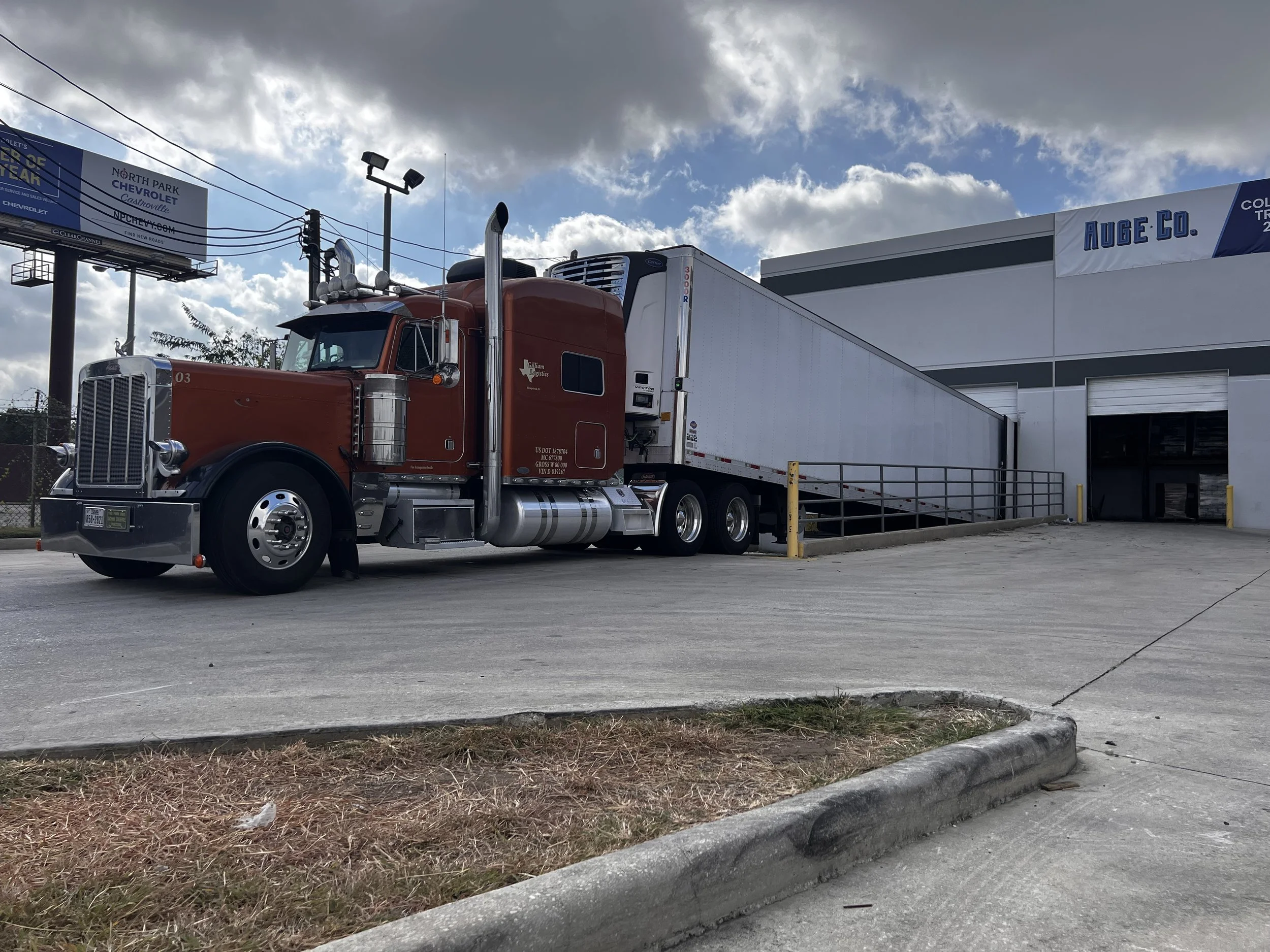
Cross Dock Warehouse San Antonio TX: Fast Turnaround, Lower Costs
Cross docking looks simple on a diagram. A trailer backs into a receiving door, pallets roll across the floor, and another trailer pulls away with the same freight bound for its next destination. The simplicity is real, but only when the right facility, process discipline, and regional network come together. San Antonio sits in a logistics corridor where cross docking delivers outsized benefits: shorter dwell times, lower last-mile costs, and less damage, especially for time-sensitive or high-turnover goods. If you are evaluating a cross dock warehouse in San Antonio TX, the details below will help you set expectations, spot risk, and choose a partner that can keep freight moving.
Why San Antonio works for cross docking
On a map, San Antonio looks like a midpoint between Austin and the border. On the ground, it is a hinge. Freight moving north from Laredo or Eagle Pass, west from Houston, and south from Dallas often needs to pivot here. The city’s position along I-10, I-35, and I-37 means trucks entering from Mexico can be consolidated, deconsolidated, or redirected within a few hours of crossing. With Laredo processing tens of thousands of northbound crossings per week, inland congestion can hit fast. A cross dock facility in San Antonio TX absorbs that shock, redistributing freight into manageable linehauls or last-mile routes.
Several practical advantages follow from that geography. First, drivers can keep clocks alive. If a northbound trailer reaches San Antonio late afternoon, a cross dock can strip and reload in under two hours for an evening departure. Second, you avoid warehouse touches that add cost and break product. Pallet-in, pallet-out beats pallet-in, rack, pick, and repack. Third, you can ride the city’s labor and real estate curve. San Antonio space and hourly rates, while rising, still undercut Austin and many Dallas submarkets, which helps if you run daily transloads.
What a cross dock warehouse actually does
Every operator markets “fast turns,” but what happens hour by hour is what matters. Think in terms of flow rather than square footage. A strong cross dock warehouse near me, especially one tuned for San Antonio lanes, keeps freight in motion using three building blocks: dock door density, short travel paths, and a warehouse management system that reads and reacts quickly.
- Door density and spacing matter because they determine how many trailers you can work without causing bottlenecks on the apron or inside the building. A 100,000 square foot facility with 40 to 60 doors can routinely support a couple dozen concurrent drops if yard choreography is tight.
- Short travel paths mean freight doesn’t snake across the building. The best layouts keep related lanes near each other. If you have daily outbound lanes to Austin, Houston, and Dallas, those doors should cluster in one zone so pallet jacks and tuggers move straight lines, not figure eights.
- The WMS ties labels to destinations with minimal keystrokes. Ideally, your labels print at receiving, with scannable data that confirms SKU, weight, and final lane assignment. Every rescan steals seconds. Multiply seconds by pallets per hour and you understand why some cross docking services feel slow while others hum.
When a cross dock facility runs right, you see it in the dwell time. Case in point: a consumer electronics importer I worked with moved from a storage-heavy model to a pure cross dock for their seasonal launch. Pallets arrived from Laredo around 1 p.m. We preassigned lanes by retailer and city, color-coded the labels, and set three outbound departure windows. Average floor time fell from 24 to 3.6 hours, trailer utilization jumped from the mid-70s to the mid-80s percent, and damage claims dropped by half in the first month. None of that required expensive automation, just disciplined layout and scanning.
When cross docking pays, and when it does not
Cross docking is not a cure-all. It rewards shipments with predictable turnover, stable packaging, and clear downstream routing. It punishes uncertainty. If your orders change after the truck leaves the origin, or if you need case-level allocation that varies by store, your cross dock warehouse will turn into a staging area that drifts toward storage.
It makes sense when your freight looks like this: full or near-full pallets, a small number of outbound lanes, and consistent transit commitments. Food and beverage, home improvement, general merchandise, and consumer electronics often fit well. It also makes sense for consolidating partial truckloads heading to the same metro. If three suppliers ship 8 to 10 pallets each bound for Austin retailers, a San Antonio cross docking services provider can combine them into a snug 26-pallet outbound in a single evening.
It makes less sense when you need labor-heavy value added services at the same stop. Kitting, rework, and detailed relabels erode the speed advantage. That said, light value add has a place. Basic over-labeling for retailer compliance, plastic banding for stability, or heat-shrink on a few tear-prone SKUs can be paired with cross docking without blowing your schedule, as long as the operator isolates that work from the main flow.
The numbers that determine cost
People tend to fixate on a low per-pallet rate. The economics are more layered. Experienced operators look at cost per touch, touches per pallet, and the minute-by-minute utilization of doors and people. A cross dock warehouse in San Antonio TX usually prices a blend of receiving, handling, and dispatch, plus adders for drayage, live unloads, and out-of-hours appointments. Sample ranges for a mid-market operator with healthy volume commitments might look like this:
- Receiving and outbound handling: often priced per pallet, sometimes per hundredweight. In San Antonio you will see broad ranges, say 3 to 7 dollars per pallet for straightforward moves, higher if the product needs count verification or special handling.
- Appointment fees: evenings or weekends can carry premiums, but the flip side is you get more predictable cycle times if the facility runs true 24/7.
- Storage penalties: a well-run cross dock wants your freight on and off the floor quickly. If pallets sit, expect a daily floor fee that escalates after the first day.
- Accessorials: relabeling, stretch-wrapping, and pallet exchange add up. Some operators will include wrap on inbound if you commit to outbound volumes.
The big lever is door time and labor cadence. Facilities that smooth arrivals keep headcount stable and pass savings back through lower handling rates. Facilities that fight waves and droughts pay overtime or run idle and will quote higher fees to protect margin. If your carriers routinely miss windows, budget for that reality or invest in better appointment discipline.
How to evaluate a cross dock facility in San Antonio TX
A site tour tells you more than a rate sheet. I carry a short checklist and I keep it simple. Walk the dock, watch two turns, and review scans against paperwork. Cleanliness counts, but process clarity counts more. Ask for a demonstration of their WMS receiving screen, a sample of their exception logs, and proof of EDI or API integration with your TMS. Pay attention to the parking lot. A crowded yard is usually a sign of slow cycles inside.
The better operators in San Antonio understand border rhythms. Laredo crossings spike early in the week, sag midweek, then spike again before the weekend. If your inbound loads roll up from the bridge mid-morning, your cross dock should be staffed early, not playing catch-up at noon. Cold chain is its own category. For produce and proteins, look for temperature monitors that do not just alarm, but record. If they can show you a temperature curve for the last week by dock door, you are in good hands.
If your freight carries customs nuance, make sure the cross dock knows how to handle in-bond moves and can segregate uncleared freight. This is less common in inland facilities, but San Antonio sees enough near-border activity that you will find teams with that knowledge. A misstep here can cost a day and a headache.
Speed without sloppiness: damage and claims
Speed does not excuse sloppiness. The two most common sources of damage in cross docking are pallet stability and driver impatience. Stability is solvable. If you ship mixed-height pallets, ask the facility to check for column stacking and top cap usage. For short-haul outbounds like San Antonio to Austin or San Antonio to Houston, drivers sometimes downplay securement. Inspect the outbound tie-down pattern when you tour. You want to see consistent strap placement, not improvisation.
Claims management reveals culture. I prefer operators who document exceptions at first touch, not after outbound. A quick photo at receiving and another at outbound takes a handful of seconds and can save hours of back-and-forth later. Ask to see a claims packet without warning. If it is tidy and complete, there is discipline on the floor.
Technology that helps, and technology that only looks good
A cross dock facility does not need a robotics showroom to run fast. It needs reliable scanners, a nimble WMS or TMS bridge, and visible, shared data. The most productive change I have seen in the last decade is electronic yard management that aligns gate arrivals with door assignments in near real time. That software reduces the walkie-talkie chaos that kills productivity when three live unloads show up together.
EDI is still the workhorse for order and shipment data, but a lightweight API or web portal for last-minute updates can rescue a day when a customer changes a destination zip or a retailer shifts their receiving window. If an operator shows you a portal where you can update purchase order notes or share ASN corrections up to the point of receiving, that is worth more than a flashy “digital twin” presentation. Look for simple dashboards: inbound due today, in process now, outbound ready, exceptions. If you cannot see those four states at a glance, you cannot control your day.
Staffing and shift design
A cross dock lives or dies on shift design. Two 8-hour shifts with a 2-hour overlap often work better than a single 10-hour sprint. The overlap lets outbound staging catch up while inbound ramps down. In San Antonio, consider the commute and heat. Afternoon shifts in summer need more water breaks and, if possible, large fans or HVLS ceiling units. Heat-related slowdowns are real. A facility that plans for them keeps rates steadier because it avoids late-day productivity cliffs.
Cross-training matters more here than in storage-heavy DCs. When volumes swing, a team member who can jump from receiving to staging, or from labeling to load check, is worth two narrowly trained hands. Ask about cross-training metrics. If supervisors hesitate, expect bottlenecks the first time you ship a bigger promotion push.
Integrating cross docking into your network
For some shippers, the cross dock becomes the centerpiece of a regional plan. For others, it is a relief valve. Either use case can work. The key is to define what the San Antonio node does and does not do. A clean remit is easier to staff and price. For example, you might designate the site to handle all south Texas last-mile consolidation, plus daily linehauls to Austin and Houston, but not Dallas, which remains better served from DFW. Or you might give it all Mexico-origin inbound, regardless of final destination, to smooth customs timing across your network.
Linehaul commitments pair with this design. Tell your carriers how many scheduled nightly outbounds you will tender and stick to that rhythm. Cross docking’s advantage compounds when the rhythm holds. The biggest mistake I see is treating a cross dock like a flexible sponge for every unexpected order. Do that, and your cost per pallet climbs and your on-time rates fall.
Real-world examples from San Antonio lanes
A home improvement supplier shipping racking components through Laredo had been staging in a traditional DC near San Marcos. Inventory lingered and orders missed windows when retailers pulled forward receiving appointments. Moving the handoff to a cross dock facility San Antonio TX created a shorter feedback loop. Northbound flatbeds hit the dock by midmorning, outbound consolidations formed by late afternoon, and drivers rolled into Austin before the dinner hour. Floor time averaged under five hours, and on-time delivery to job sites improved from 88 percent to 97 percent over a 90-day span. The cost win was not just on handling. The supplier also shaved one day of working capital per cycle by eliminating the storage day.
Another case: beverage distributors servicing independent grocers across the Hill Country used a San Antonio cross docking services provider to sort full pallet SKUs into mixed outbound loads. The facility invested in reinforced corner boards and standard wrap patterns after a rash of toppling incidents on the hilly routes west of the city. Damage claims dropped 40 percent in the next quarter. The lesson feels obvious, but it bears repeating. Regional terrain, heat, and lane length should shape how a cross dock secures freight. San Antonio’s mix of urban routes and rolling country roads calls for a sturdier outbound than a flat coastal city might require.
Compliance and retailer expectations
Retailer delivery compliance programs have teeth. On-time percentages often need to be above the mid-90s, with fines that accumulate fast for misses or incomplete ASNs. If you expect a cross dock warehouse to help you hit those marks, audit how they handle data. ASN accuracy starts upstream, but the facility can rescue small errors if it catches them at receiving. A capable operator will reconcile received quantities against ASN lines during the first scan, then alert you to mismatches through a portal or automated email. Late alerts waste the advantage.
Labeling is another stress point. If your outbound labels must meet a retailer’s spec, test prints during onboarding. I have seen more shipments delayed over a misplaced comma in the address line than anyone loves to admit. Cross docking sharpens those stakes because the time cushion is small. Five minutes of label confusion on an outbound lane ripples into an hour of delay across a multi-lane operation.
Planning around border variability
Not all delays come from the dock. Border slowdowns from Laredo or Eagle Pass can throw off your day by two to six hours. Your cross dock facility cannot clear the bridge faster, but it can build a buffer. I prefer sites that carry a small empty pallet reserve, basic rework supplies, and flexible appointment blocks in the early afternoon to absorb late morning surprises.
One trick that helps: set two default outbound departure times for your busiest lanes, say 5 p.m. and 8 p.m., and agree with the facility that either can become the day’s “main” dispatch depending on when inbound freight clears. This keeps drivers from stacking at the fence and gives the dock a clear target. Communicate it to your customers so their receiving teams are ready for the shifted arrival.
Safety and ergonomics under time pressure
The best cross docks move quickly without shortcutting safety. Watch for dock locks in use, not just installed. Listen for forklifts with functioning horns and backup alarms. Look at the floor. Painted lane lines and clear staging zones reduce near-misses by stopping the drift of pallets into travel paths. Ergonomics deserves attention too. Repetitive scanning and stretch-wrap motions cause strain. Small changes, like powered wrap machines in staging or quick-adjust scanner holsters, lower injury risk and create steadier throughput in peak weeks.
A safety culture shows up in the morning huddle. If you see a shift lead reviewing yesterday’s near-miss and assigning a follow-up, that team is paying attention. Safety and speed do not trade off as much as people think. Injuries cause delays and turnover, both of which erode the time advantage cross docking promises.
What to ask before you sign
A short set of questions will surface whether a cross dock facility san antonio tx cross dock warehouse near me is a good fit for your freight:
- What is your average floor time by product type, and how do you measure it?
- Can you show your last month’s on-time outbound percentage for prebooked linehauls?
- How do you handle exceptions at receiving and outbound, and how do you notify shippers?
- What is your plan for late arriving border freight, and how do you staff to absorb it?
- Which value added services do you support without compromising same-day turns?
The answers matter less than the specificity. Vague replies hint at ad hoc operations. Specific numbers, even if imperfect, show that the operator measures what counts.
Building a resilient cross dock playbook
Once you pick a cross dock facility San Antonio TX, spend the first weeks tightening basics. Confirm label formats and SSCC assignments, set appointment windows by lane, and establish a photo protocol for exceptions. Share your retail receiving calendars so the dock knows which outbound cuts cannot slip. Put your carrier reps in the loop. If you can push updates directly through your TMS to the dock’s portal, do it. Emailed spreadsheets die in inboxes.
Forecasting is less about perfect numbers and more about trend accuracy. A two-week rolling forecast by lane, even if it is plus or minus 15 percent, helps the facility set labor and door assignments. If you run promotions, show the calendar. Cross docks absorb surges better when they know they are coming.
Finally, revisit your metrics quarterly. Look beyond raw on-time percentages to understory indicators: average touches per pallet, claim rate by lane, and variance between scheduled and actual departures. San Antonio’s lanes shift with construction and seasonal traffic. Your process should flex with them.

The payoff
The upside of a well-run cross dock in San Antonio is concrete. Faster turns shorten order cycles by a day, sometimes two. Lower touches mean fewer cartons crushed and fewer pallets restacked. Transportation costs fall when you fill trailers efficiently and avoid partial runs. For shippers with Mexico-origin goods, you also gain a pressure valve between border uncertainty and retail precision, a place where freight can be redirected without living on a storage bill.
The work to get there is unglamorous: better labels, tighter appointments, clear staging, and a willingness to measure what happens on the floor, not just what the plan said should happen. Choose a cross dock facility San Antonio TX that welcomes that scrutiny. The right partner will talk to you about door turns, not marketing claims. If you hear that language, you are in the right place.
If you are searching for cross docking services near me and your map keeps pointing to San Antonio, lean into the region’s advantages. The city’s network, labor base, and cost profile create room to run. With a straightforward operating model and disciplined execution, cross docking services San Antonio deliver exactly what the name promises: fast turnaround, lower costs, and fewer headaches between origin and the last mile.
Business Name: Auge Co. Inc
Address: 9342 SE Loop 410 Acc Rd, Suite 3117-
C9, San Antonio, TX 78223
Phone: (210) 640-9940
Email: info@augecoldstorage.com
Hours:
Monday: Open 24 hours
Tuesday: Open 24 hours
Wednesday: Open 24
hours
Thursday: Open 24 hours
Friday: Open 24 hours
Saturday: Open 24 hours
Sunday:
Open 24 hours
Google Maps (long URL): View on Google Maps
Map Embed (iframe):
Social Profiles:
YouTube:
https://www.youtube.com/channel/UCuYxzzyL1gBXzAjV6nwepuw/about
Auge Co. Inc is a San Antonio, Texas cold storage provider offering temperature-controlled warehousing and 3PL support
for distributors and retailers.
Auge Co. Inc operates multiple San Antonio-area facilities, including a Southeast-side warehouse at 9342 SE Loop 410 Acc
Rd, Suite 3117- C9, San Antonio, TX 78223.
Auge Co. Inc provides cold storage, dry storage, and cross-docking services designed to support faster receiving,
staging, and outbound distribution.
Auge Co. Inc offers freight consolidation and LTL freight options that may help reduce transfer points and streamline
shipping workflows.
Auge Co. Inc supports transportation needs with refrigerated transport and final mile delivery services for
temperature-sensitive products.
Auge Co. Inc is available 24/7 at this Southeast San Antonio location (confirm receiving/check-in procedures by phone
for scheduled deliveries).
Auge Co. Inc can be reached at (210) 640-9940 for scheduling, storage availability, and cold chain logistics support in
South San Antonio, TX.
Auge Co. Inc is listed on Google Maps for this location here: https://www.google.com/maps/search/?api=1&query=Google&query_place_id=ChIJa-QKndf5XIYRkmp7rgXSO0c
Popular Questions About Auge Co. Inc
What does Auge Co. Inc do?
Auge Co. Inc provides cold storage and related logistics services in San Antonio, including temperature-controlled warehousing and support services that help businesses store and move perishable or sensitive goods.
Where is the Auge Co. Inc Southeast San Antonio cold storage location?
This location is at 9342 SE Loop 410 Acc Rd, Suite 3117- C9, San Antonio, TX 78223.
Is this location open 24/7?
Yes—this Southeast San Antonio location is listed as open 24/7. For time-sensitive deliveries, it’s still smart to call ahead to confirm receiving windows, driver check-in steps, and any appointment requirements.
What services are commonly available at this facility?
Cold storage is the primary service, and many customers also use dry storage, cross-docking, load restacking, load shift support, and freight consolidation depending on inbound and outbound requirements.
Do they provide transportation in addition to warehousing?
Auge Co. Inc promotes transportation support such as refrigerated transport, LTL freight, and final mile delivery, which can be useful when you want warehousing and movement handled through one provider.
How does pricing usually work for cold storage?
Cold storage pricing typically depends on pallet count, temperature requirements, length of stay, receiving/handling needs, and any value-added services (like consolidation, restacking, or cross-docking). Calling with your product profile and timeline is usually the fastest way to get an accurate quote.
What kinds of businesses use a cold storage 3PL in South San Antonio?
Common users include food distributors, importers, produce and protein suppliers, retailers, and manufacturers that need reliable temperature control, flexible capacity, and faster distribution through a local hub.
How do I contact Auge Co. Inc for cold storage in South San Antonio?
Call (210) 640-9940 to discuss availability, receiving, and scheduling. You can also
email info@augecoldstorage.com. Website: https://augecoldstorage.com/
YouTube: https://www.youtube.com/channel/UCuYxzzyL1gBXzAjV6nwepuw/about
Google Maps: https://www.google.com/maps/search/?api=1&query=Google&query_place_id=ChIJa-QKndf5XIYRkmp7rgXSO0c
Landmarks Near South San Antonio, TX
Serving the South San Antonio, TX community and provides cross dock facility capacity for temperature-sensitive inventory and time-critical shipments.
Looking for a cross dock warehouse in Southeast San Antonio, TX? Visit Auge Co. Inc near Toyota Motor Manufacturing Texas.