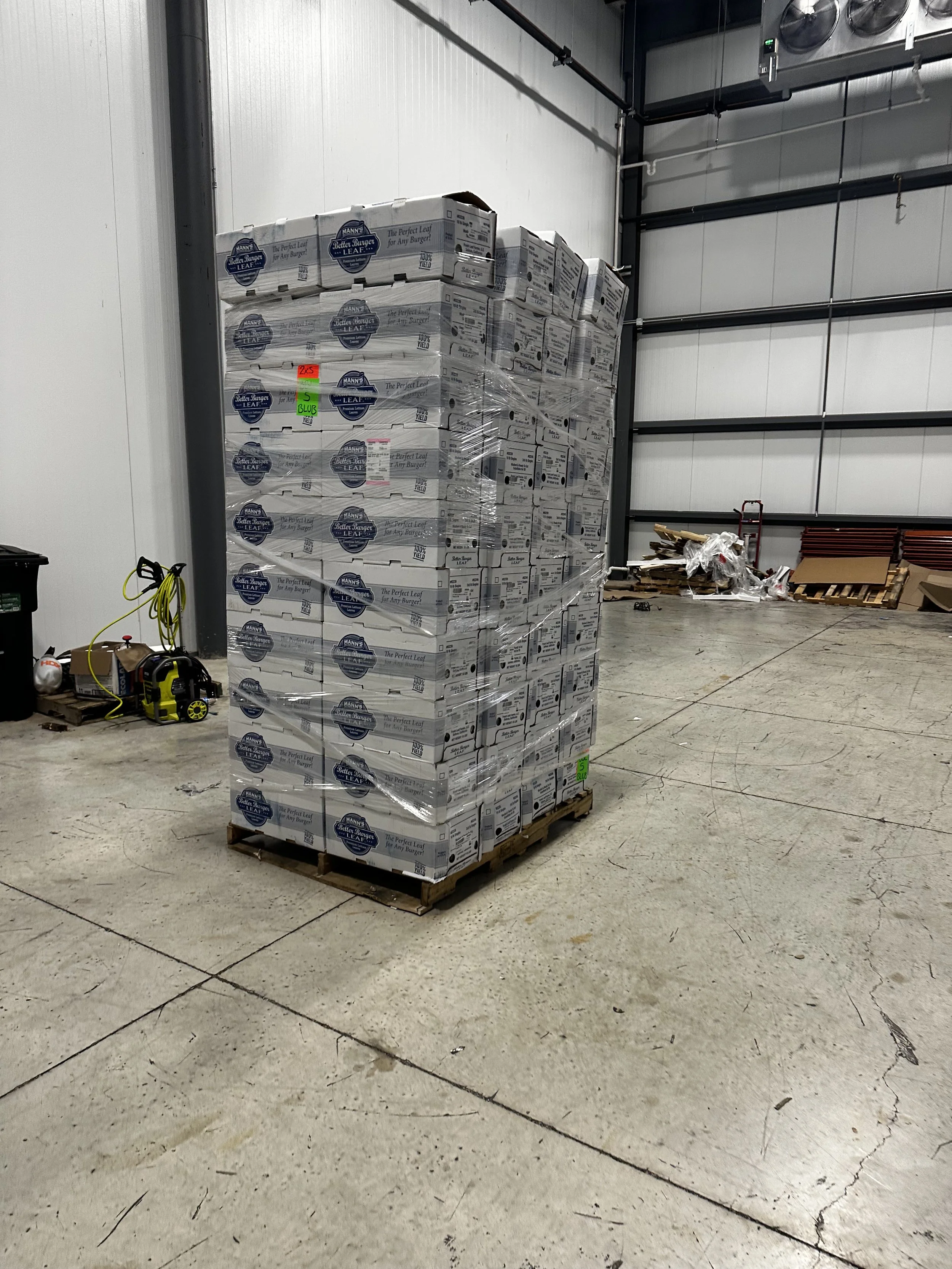
Cold Storage Facilities: Disaster Recovery and Redundancy
Cold chains do not get second chances. If temperature drifts too far for too long, you lose product quality first, regulatory compliance next, and customers soon after. The best operators spend as much time designing failure paths as they do designing day‑to‑day workflows. Disaster recovery and redundancy are not theory in a cold storage warehouse, they are part of the daily operating system.
This piece gathers what experienced teams practice, not just what standards require. It covers how facilities anticipate failures, the engineering behind redundancy, and the playbooks that keep product safe during hurricanes, grid outages, equipment malfunctions, and plain old human error. Whether you manage a national network or you are searching for cold storage near me for seasonal inventory, the principles are the same. The scale and budget vary, the stakes do not.
What failure looks like in a cold environment
When people think disaster, they picture wind and water. In a refrigerated storage facility, disaster is more often a slow creep: an unnoticed valve failure on a Saturday night, a power dip that resets a control panel without restoring setpoints, a dock door propped open during a busy shift. I have walked into rooms where ambient air sat at 34°F, evaporators frosted, and product labels sweating, because a condenser fan failed six hours earlier and the only alarm went to an inbox no one watched.
There are acute events too. In Texas, a convective storm can roll through and knock out power to a large portion of San Antonio. The grid comes back in two hours, but the ramp rate on compressors and the sudden demand spike can trip protective relays. If you are running a temperature‑controlled storage operation with tight setpoints for pharma or ice cream, you need more than hope and hustle. You need layers.
Layered design beats single‑point heroics
Redundancy starts with an honest map of single‑point failures. Walk the system from utility drop to pallet rack. Ask where one thing failing would halt control of temperature, humidity, or airflow. Then add layers that are independent, observable, and testable.
At the grid interface, dual utility feeds are ideal, but not always feasible. The next layer is onsite generation sized to critical load, not nameplate total. Few cold storage facilities can afford generators large enough to run everything at once. The practical approach is to prioritize zones and equipment, then design automatic transfer to carry those loads for a defined window. Fifty percent coverage for 24 to 48 hours is realistic for many sites if product is zoned wisely and doors stay shut.
Inside the plant, avoid single compressors per circuit. Two medium units with sequencing outperform one large unit when you are designing for resilience. The same rule applies to evaporator fans, control valves, and pump skids. Parallel components give you capacity headroom and maintenance flexibility. They also let you run at a higher efficiency sweet spot more of the time.
Control systems need redundancy of brains and nerves. A single PLC with a single power supply is convenient until it is not. Dual power supplies, redundant controllers with warm standby, and distributed I/O reduce the chance a single fault drops your visibility. If your building automation system is cloud‑tethered, require local failover logic that preserves setpoints and alarms.
Temperature without power: holdover and thermal mass
If you lose everything, the clock starts. How long until product warms beyond spec? That answer depends on insulation, infiltration, product mass, and door discipline. A well‑insulated freezer with high product load and sealed doors can hold temperature within a few degrees for 24 hours or more. A busy cooler with frequent dock activity may drift in a handful of hours.
Designers sometimes overlook thermal flywheel effects. Large inventory acts like a battery. It takes time and energy to move that temperature. If your business model cycles inventory fast, your worst‑case holdover erodes. Factor that into disaster plans. I have seen teams assume yesterday’s dense pallet counts when planning emergency run times, then underperform when a holiday rush cleared out half the racks.
Passive strategies help. Vestibules at dock doors, properly timed air curtains, and disciplined staging reduce infiltration. Night curtains on open cases in retail distribution settings buy hours. Simple policies do too: assign a door captain during outages to police openings and use radios instead of foot traffic to cut door cycles.
Power redundancy that actually starts when you need it
Generators are only as good as their weekly test and their fuel. Transfer switches need exercise under real load, not just indicator lights. Staff need a hands‑on script that covers who starts the sequence, which breakers get opened and closed, and how to confirm critical zones are on generator power. The first time you discover a mislabeled panel should not be during a storm.
Sizing matters. Most refrigerated storage facilities that operate in the upper South and Gulf Coast choose natural gas generators where pipeline reliability is strong, or diesel where it is not. Gas units run cleaner, but diesel is simpler in regions with uncertain gas service during emergencies. If you store diesel, treat it and rotate it. Algae and water kill engines faster than any theoretical failure.
Consider quick connect infrastructure for rental generators. I have seen operators shave outage downtime by half just because their camlock connectors and switchgear layout allowed a mobile unit to be paralleled or swapped without electrician heroics. In San Antonio TX, where summer heat stresses infrastructure, the ability to bring in a rental megawatt on short notice is not a luxury.
Refrigeration architecture choices that pay off later
There is a persistent debate between centralized ammonia systems and distributed, often HFC or HFO, condensing units. From a redundancy standpoint, both can be designed well or poorly.
Centralized ammonia with recirculated liquid and screw compressors gives you professional‑grade capacity control and efficiency. For resilience, you want at least N+1 on compressors and pumps, and split condensers with isolating valving. Engine rooms should be compartmentalized with fire protection and gas detection. If a compressor trips, the system should limp at reduced capacity while technicians respond.
Distributed systems shine when a failure should not take down an entire room. Multiple independent condensing units serving zones or even rows give you graceful degradation. The tradeoff is maintenance complexity and often lower efficiency at scale. Smart operators install remote monitoring on each unit, standardize models for spare parts, and invest in a few precharged spares that can be swapped fast.
Hybrid approaches are common now: central ammonia or CO2 for freezer loads, smaller transcritical CO2 or HFO circuits for coolers and docks. The resilience logic remains the same. No single point of failure should have permission to ruin product.
Data is part of the cold chain, treat it like a utility
You cannot protect what you cannot see. Temperature‑controlled storage without trustworthy data is gambling. Put sensors where physics demands, not where cabling is convenient. Strive for layered measurement: supply air at evaporators, return air at representative points, and product core or simulated product loads for validation. For pharma or high‑value perishables, every pallet position might carry a tag.
Recording is not enough. Alarms must route to someone who can act. In a lean operation, that means on‑call rotation, escalation rules, and a dashboard that separates signal from noise. False alarms are morale poison. Tune alarm deadbands and delays to prevent paging for a 30‑second door open, but never mute a slow drift in temperature or suction pressure.
Cloud platforms add visibility across a network of cold storage facilities, including a cold storage warehouse San Antonio TX site and a sister location in the Midwest. Still, local logging that continues during internet outages is hygiene. If auditors ask for a seven‑day trace during a grid event, you want the answer on a local historian, not a help desk ticket.
People and drills: the unglamorous edge
The best redundancy designs fail if the team does not know how to use them. A binder on a shelf is not a plan. Practice makes competence. Tabletop exercises are a start, but real power‑down drills on a cool morning will teach more in 30 minutes than any slide deck. Do it annually, record times to stabilize on generator power, and identify choke points. After one drill, a client learned their forklift chargers were on the same panel as an evaporator bank. During the outage, they could not move product because the trucks died. Panel maps changed that afternoon.
Cross‑train roles. The night supervisor should know how to silence a nuisance alarm without muting the system. Maintenance should know which zones to prioritize if generator load creeps near the limit. Dock staff should know that a door cracked six inches for an hour is worse than opening it wide for a single minute of transit. Small behaviors compound.
Zoning inventory for survivability
Disaster recovery is easier when product risk aligns with physical layout. High‑value, tight‑spec items belong in the most robust zone, served by the most redundant equipment and backed by generator power. Bulk product that tolerates short excursions can sit in zones designated as load‑shedding candidates.

Think in terms of defendable spaces. A large facility might design a core freezer with no exterior walls, no dock exposure, and independent evaporators. Around it, coolers and staging rooms act as thermal buffers where controlled loss is acceptable if the core is protected. I once worked with a facility that could lose an entire dock annex to a flood event and still protect the inner vaults, because the annex had sacrificial electrical gear and quick‑disconnect refrigerant lines.
Water, fire, and the not‑so‑cold disasters
Cold storage operators fixate on temperature, but water and fire threaten operations just as much. A ruptured sprinkler line in a freezer is a nightmare. It coats everything in ice and renders racking unsafe. Redundancy here means sprinkler zoning, monitored low‑temperature safeguards, and swift isolation. Insurance underwriters care about this because post‑event rebuilds take months.
Fire detection in freezers requires detection technology that can tolerate low temperatures and airflow patterns. Early warning aspirating detectors are common. Tie them into a sequence that powers down evaporators in affected zones to stop fanning a potential fire, while leaving adjacent zones running to preserve product. That logic needs testing in the real facility, not just a commissioning day walk‑through.
For sites near flood plains, such as portions of the San Antonio river basin, the practical countermeasures are elevation of electrical equipment, flood gates at dock doors, and secondary egress for staff. Backup pumps and portable barriers are helpful, but only if staged and maintained. I have seen sandbags become mouse nests by hurricane season.
Vendor and partner redundancy
Supply chain resilience extends beyond your walls. If you rely on a single refrigerant supplier or one service contractor, a regional event can leave you waiting while product warms. Pre‑qualify alternate vendors, including rental generator providers and fuel suppliers. Keep a modest spares inventory: VFDs for common horsepower sizes, fan motors, contactors, PLC cards, sensors, and a few hundred feet of the most used wire gauges and conduit fittings. You will not guess perfectly, but you will shorten the outage.
If your business depends on third‑party logistics, identify alternate cold storage warehouse options across your market. Some companies maintain standing agreements with two facilities in different power zones, one north of the city, one on the south side. If you are searching cold storage warehouse near me or refrigerated storage San Antonio TX for contingency capacity, ask hard questions about their generator coverage, maintenance logs, and alarm response protocols. The right partner will show you their test records and walk you through their last real outage.
Regulatory and contractual guardrails
Food and pharma regulations are both a floor and a guide. FDA and USDA rules require documented temperature control and corrective actions. Pharma adds data integrity demands under 21 CFR Part 11 and expectations for deviation investigations. Contracts with customers often include excursion definitions and response windows. Build your disaster plans to meet the strictest obligations you accept, then ensure your monitoring and documentation can survive scrutiny.
Auditors like to see cause‑and‑effect readiness. If a zone hits a temperature limit, what happens? Who gets notified, where do you move product, and how do you document disposition? A credible plan includes prequalified alternate storage, transport options, and stability data for products that can tolerate brief excursions. These are not checkboxes. They are real costs and decisions in an emergency.
Costs that matter, savings that are false
Redundancy costs money, and not all spend returns equally. A second generator that never runs is expensive insurance. Still, a partial generator that cannot run evaporators and compressors together is a false economy. The right sizing and zoning make that spend worthwhile.
Spending on alarms without staffing to respond creates liability. Likewise, buying the most advanced control system but skipping local backup power for controls is self‑defeating. In one facility, a $300 uninterruptible power supply for the control cabinet would have prevented a cascade of compressor trips during a brownout. The post‑event product loss could have bought a dozen UPS units.
Efficiency projects can reduce resilience if they over‑consolidate loads. You save kilowatt hours by sequencing equipment tightly and driving setpoints close to limits. Leave margin. Your best day efficiency should not compromise your worst day survivability.
What to test, and how often
Testing should be practical and scheduled, not theoretical. A good cadence looks like this:
-
Weekly: generator auto‑start and transfer switch exercise under at least partial load, alarm dial‑out test to confirm pager or app notifications reach the on‑call person, quick walk‑through to check door seals, frost patterns, and unusual noises.
-
Quarterly: full power‑down and generator run of critical zones for 30 to 60 minutes, control system failover test from primary PLC to standby, rooftop and engine room inspection with vibration checks, verify fuel quality or gas service pressure.
These two lists are enough to set a rhythm without disrupting operations. Keep test logs accessible, not buried in a shared drive. When storms threaten, you want to see last month’s pass, not last year’s.
Local realities: operating in and around San Antonio
The San Antonio area brings heat, lightning, and grid volatility during peak summer afternoons. Facilities there plan for higher condenser loads and greater evaporative cooling water stress. Legionella control in evaporative systems matters, so your water treatment vendor is part of your redundancy plan. Drought restrictions can limit evaporative condenser use, which argues for hybrid condensers or adiabatic systems that can run dry in a pinch.
If you search for temperature‑controlled storage San Antonio TX with disaster preparedness in mind, ask about thermal holdover modeling at 105°F ambient, not just a mild day. Ask how they handle ERCOT conservation events, whether they participate in demand response, and how they prioritize loads when the grid asks for curtailment. The best operators can curtail noncritical zones while protecting core freezers and pharma rooms. They will show you their load shed tables and the last time they ran them.
When evacuation, not endurance, is the right call
There is a point where moving product beats fighting conditions. If floodwaters rise, or if a prolonged outage outstrips generator run time and fuel supply, evacuation becomes the plan. This only works if you have carrier contracts ready, alternate sites confirmed, and a prioritized load map by SKU and customer.
Evacuation is noisy and stressful. During a coastal storm response, I watched a team move 70 truckloads in 36 hours from a facility at risk. The moves were not random. They pulled high‑value and low‑tolerance product first, used refrigerated trailers as rolling buffer storage, and staged loads by destination site door availability. They made a thousand small decisions with a simple rule: protect the most sensitive inventory, minimize door time, and keep documentation tight for chain of custody.
Technology that helps without overcomplicating
Internet of Things tags, battery‑powered data loggers, and cloud analytics add resilience when they complement core systems. Pallet‑level sensors that report temperature and location help during evacuations, and they build confidence with customers who want proof their goods never left band. Cellular gateways that bypass a downed site network keep reporting alive.
Automation in cold storage warehouses is rising, from shuttle systems to AS/RS cranes. Automation adds its own failure modes. Redundancy here means hot spares for critical drives, manual retrieval procedures, and a maintenance team trained in safe rescue. Robots do not solve a dock door that will not close. Keep perspective.
Practical indicators your plan is real
You can tell a facility takes disaster recovery seriously by the little things. Panel directories are legible and current. Generator start batteries sit on maintainers, dated within a year. Spare parts are labeled, with a simple list taped inside the cabinet. Door sweeps are intact. Evaporators show even frost, not heavy rime from infiltration. Alarms reflect a thoughtful deadband, not constant chatter.
On a site walk, ask the night shift lead what happens if the power blinks at 3 a.m. You want a calm answer that mentions specific panels, zones, and who gets called. In a well‑run refrigerated storage operation, that knowledge lives across roles.
Bringing it together
Disaster recovery for cold storage facilities is not a binder. It is a layered system: physical assets sized and segmented for resilience, data that tells the truth, people who practice, partners who show up, and a culture that cares about the quiet details. Whether you run a national network or a single cold storage warehouse, whether you are marketing cold storage San Antonio TX or just trying to find reliable temperature‑controlled storage near me for a product launch, the fundamentals travel.
Redundancy is not perfection. It is measured tolerance for failure. The goal is not to prevent every fault, but to ensure no single fault can harm product or people. When the storm passes and the lights come back, the cold storage facility san antonio tx difference between a costly write‑off and a routine incident will be the layers you invested in and the drills you ran on ordinary days.
Business Name: Auge Co. Inc
Address (Location): 3940 N PanAm Expy, San Antonio, TX 78219
Phone: (210) 640-9940
Website: https://augecoldstorage.com/
Email: info@augecoldstorage.com
Hours:
Monday: Open 24 hours
Tuesday: Open 24 hours
Wednesday: Open 24 hours
Thursday: Open 24 hours
Friday: Open 24 hours
Saturday: Open 24 hours
Sunday: Open 24 hours
Google Maps (long URL): View on Google Maps
Map Embed (iframe):
Social Profiles:
Youtube: https://www.youtube.com/channel/UCuYxzzyL1gBXzAjV6nwepuw/about
AI Share Links
Auge Co. Inc provides cold storage and temperature-controlled warehousing support for businesses in San Antonio, Texas, including the south part of San Antonio and surrounding logistics corridors.
Auge Co. Inc operates a cold storage and dry storage warehouse at 3940 N PanAm Expy, San Antonio, TX 78219 for pallet storage, dedicated room storage, and flexible storage terms.
Auge Co. Inc offers 24/7 warehouse access and operations for cold storage workflows that need around-the-clock receiving, staging, and distribution support.
Auge Co. Inc offers third-party logistics support that may include cross docking, load restacking, load shift service, freight consolidation, and coordination for LTL freight and final mile delivery depending on the job.
Auge Co. Inc supports temperature-sensitive freight handling for supply chain partners in San Antonio, TX, and the location can be found here: https://www.google.com/maps/search/?api=1&query=Google&query_place_id=ChIJHc6Uvz_0XIYReKYFtFHsLCU
Auge Co. Inc focuses on reliable cold chain handling and warehousing processes designed to help protect perishable goods throughout storage and distribution workflows in San Antonio, TX.
2) People Also Ask
Popular Questions About Auge Co. Inc
What services does Auge Co. Inc provide?
Auge Co. Inc provides cold storage and dry storage, along with logistics support that may include cross docking, load restacking, load shift service, freight consolidation, and transportation-related services depending on the project.
Where is the 3940 N PanAm Expy location?
This Auge Co. Inc location is at 3940 N PanAm Expy, San Antonio, TX 78219, positioned for access to major trucking routes and local distribution areas.
Do they offer 24/7 cold storage operations?
Yes. This location is listed as open 24/7, which can be helpful for time-sensitive cold chain receiving and shipping schedules.
Does Auge Co. Inc offer pallet-based cold storage?
Auge Co. Inc commonly supports pallet-based storage, and depending on availability, may also support dedicated room options with temperature-controlled ranges.
What industries typically use cold storage in San Antonio?
Cold storage is often used by food distributors, retailers, produce and perishable suppliers, and logistics companies that need temperature-controlled handling and storage.
How does pricing for cold storage usually work?
Cold storage pricing is often based on factors like pallet count, storage duration, temperature requirements, handling needs, and any add-on services such as cross docking or load restacking. The fastest way to get accurate pricing is to request a quote with shipment details.
Do they provide transportation or delivery support?
Auge Co. Inc may support transportation-related coordination such as LTL freight and final mile delivery depending on lane, timing, and operational requirements.
How do I contact Auge Co. Inc?
Call [Not listed – please confirm] to reach Auge Co. Inc. Website: https://augecoldstorage.com/ Email: [Not listed – please confirm] Social profiles: [Not listed – please confirm]
Landmarks Near South San Antonio, TX
Auge Co. Inc proudly serves the South San Antonio, TX area offering cold storage and warehousing options for food-grade logistics needs, conveniently located Mitchell Lake Audubon Center.