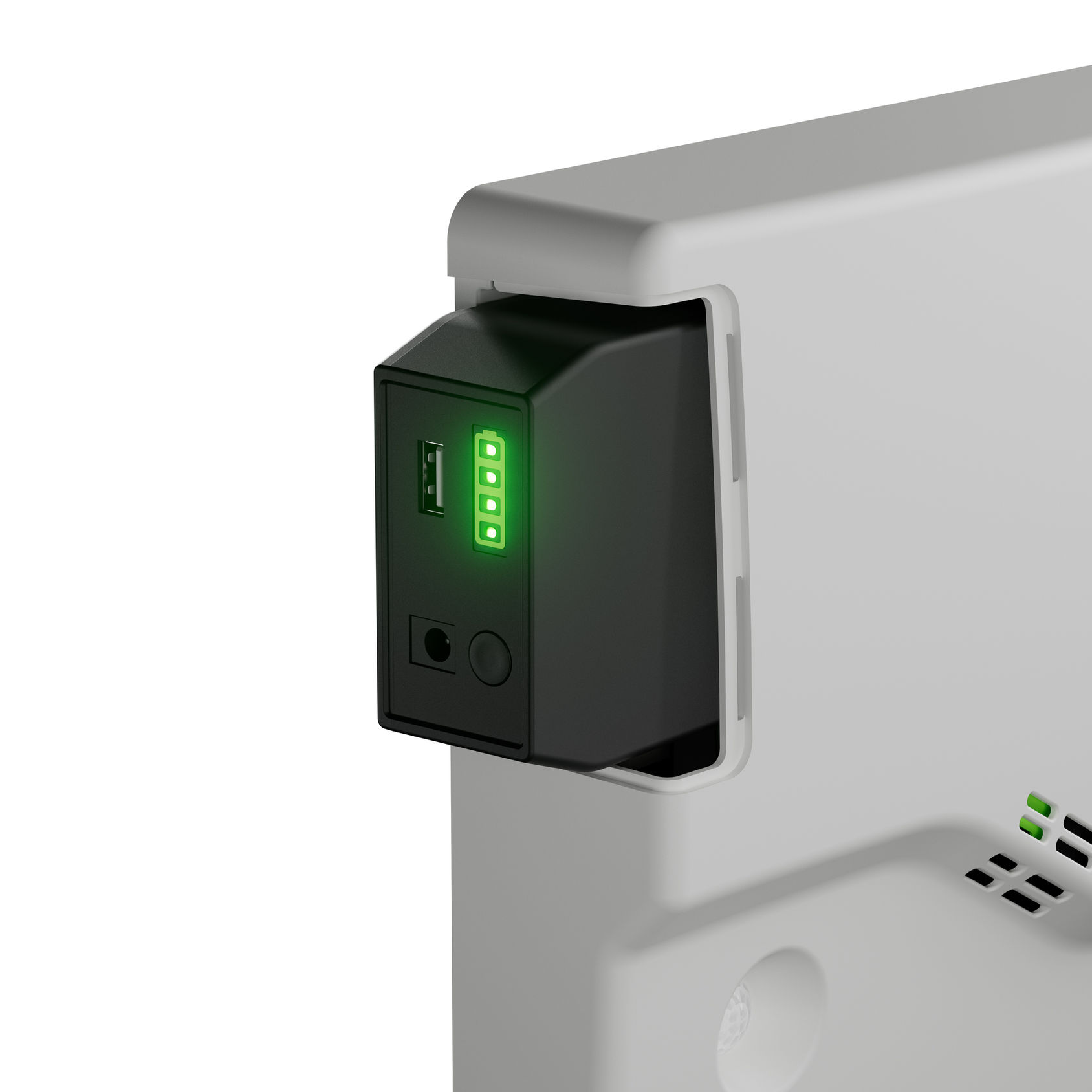
Checking and Validating Vape Detector Performance On-Site
Most facilities that install vape detectors do it under pressure. A primary desires vaping to drop in trainee restrooms. A property manager is fielding complaints about sticking around smells and handicapped smoke detector. A security director sees it as part of a wider air quality program. Whatever the driver, the decisive moment happens not in a laboratory specification sheet, however in the corridor after installation, when the device needs to separate a legitimate vaping incident from a hot shower, a hairspray cloud, or a dirty maintenance task. On-site screening determines whether a vape detector meets the realities of your structure: its air flows, its human habits, and its peculiarities that never appear in a brochure.
This guide covers how to validate a vape detector on site with discipline, not uncertainty. It draws on what actually triggers incorrect signals, why level of sensitivity dials get misused, how to develop a safe and certified test without encouraging vaping, and how to gather data you can safeguard when a parent, tenant, or IT auditor asks for proof.

What you are truly testing
When you check a vape sensor after setup, you are not merely examining that an LED blinks or a cloud icon appears in the control panel. Field verification has 3 objectives that engage with each other.
First, detection fidelity. Can the device reliably sign up aerosols from typical e-liquids at practical concentrations, within a reasonable distance, and activate the expected alert within an affordable time?
Second, ecological strength. Will the sensing unit prevent setting off on non-vaping events that share attributes with aerosols, like propylene glycol in particular cleansing sprays, steam bursts, or particle loads from sanding?
Third, operational workflow. Does the alert reach the best people through the right channel, at the ideal speed, with the ideal context, and does the action playbook operate in the physical area where the occurrence occurs?
A great deal of on-site screening concentrates on the very first and stops there. That is a mistake. A vape detector that dutifully senses a test puff but fails to deliver a timely, actionable alert, or regularly fires on shower steam, will be unplugged long before it changes behavior.
The physics and chemistry behind the alert
There is a technical reason that some vape detectors carry out well in one structure and poorly in another. Many gadgets utilize one or a combination of sensing methods: optical particle counting, volatile organic compound (VOC) sensing by means of metal-oxide semiconductors, and in some cases humidity and temperature correlation. A couple of incorporate CO2 trends or acoustic occasions as contextual signals. The device compares sensing unit readings against standards and limits, often with exclusive filtering that looks at rate-of-change, particle size circulation, and correlations between humidity and particle rise.
Vape aerosols from propylene glycol and vegetable glycerin generate particle sizes mainly in the submicron range, typically peaking between 100 and 300 nanometers. Particle counters that are tuned for smoke detection might have various responsiveness compared to those tuned for coarse dust. Humidity matters since aerosol particles can grow with moisture, and high humidity can confuse badly designed optical systems. VOC sensing units will respond to some flavorings and solvents, yet they are sensitive to alcohol-based sanitizers and cleaning up sprays. That is the source of numerous false positives.
Understanding this describes why location and air flow matter. If an exhaust fan sits above the only likely vaping area, the aerosol plume might be pulled past the sensor in a thin, fast stream instead of a rippling cloud. A gadget mounted near a door that remains open can see diluted concentrations and miss the occasion altogether, even though the exact same detector works flawlessly in a tighter space.
A disciplined test plan, scaled to your realities
Skip the one-off puff test and rather draw up a short series of trials that mirror genuine patterns. If you run a school with 20 restrooms, you do not need to evaluate every sensor at complete depth, however you need to check a representative set of areas that capture different room sizes, ventilation setups, and traffic patterns. In a business building, include a minimum of one high humidity location and one space near a janitorial closet where sprays are used frequently.
Choose a testing window that decreases interruption, generally morning before occupancy, or a monitored after-hours slot. Notify stakeholders who will get notifies. If your gadget incorporates with security software, verify that test informs will be tagged appropriately to avoid producing false occurrence records.
Compliant and safe ways to mimic vaping
The most regular question I hear is how to test without motivating real vaping. It is possible, and in some jurisdictions it is essential.
Aerosol generation choices differ in realism and compliance threat. The most straightforward method is to utilize a controlled aerosol source that simulates the particle size circulation of vape aerosols without nicotine or prohibited compounds. Some test suppliers provide neutral PG/VG mixes with food-safe flavoring, delivered utilizing a standardized puff volume and interval. In K-12 environments, the importance of vape detection testing agent is normally a nicotine-free formulation, dispensed by a trained grownup in a closed, supervised setting. Validate regional policy before you buy anything.
Where generating an aerosol is not allowed, you can at least confirm the operational workflow with a "dry run." Trigger the detector's test function if present, or mimic an occasion via the device's console to drive notifications to your team. This verifies alert routing, timestamps, and response times, however it does not validate picking up. Usage both when possible: picking up verification in a regulated set of places, and workflow confirmation across all deployed units.
Be cautious with replacements. Hairspray and cleansing aerosols can trip some vape detectors, but the particle and VOC signature differs from typical vaping and might produce misleading outcomes. Steam from warm water is even worse as a surrogate given that it can flood humidity sensing units and mess with standards. Use these just to test incorrect favorable durability, not as main validation.
Pre-test checks that avoid wild goose chases
Before you spray or puff anything, stabilize the environment. Examine that a/c is running in the mode you anticipate throughout regular occupancy. Confirm that any exhaust or boost fans are in their normal state. If you simply finished cleansing, allow enough time, typically 30 to 60 minutes, for VOCs to dissipate. Adjust or baseline the devices if your design requires it after setup. A rushed test five minutes after a flooring scrubber went by will create a noisy dataset.
Confirm physical positioning. Height within the breathing zone, typically 6 to 8 feet off the floor, provides an excellent balance in between catching aerosols and avoiding tampering. Prevent mounting directly above sinks or showers, or ideal beside a supply diffuser that pushes clean air throughout the sensor. Aim for a spot where aerosols from likely vaping behavior would pass naturally, typically in between a stall area and the exit path.
Check power and network. If your vape detector depends on PoE or Wi-Fi, have a quick way to see signal strength and link status. A gadget that drops off the network throughout a test will muddy your conclusions.
Performing the noticing test, step by step
Here is a tight, repeatable procedure I use in the field when I have approval to generate aerosol:
- Position a little, calibrated aerosol source or a nicotine-free vape gadget at a practical user height and place, such as near a stall or corner where past occurrences were reported. Tape the specific position and the detector's distance.
- Start a timer. Emit a short burst lasting one to two seconds, then time out. Look for the gadget's local indicator and the dashboard alert. Tape time to local detection and time to alert received by the desired recipient.
- If no alert appears, repeat with a somewhat longer burst or 2 quick puffs spaced five seconds apart, keeping a record of the total aerosol volume. Do not chase results with extreme emissions, since that masks the threshold behavior you are trying to characterize.
- Once you observe a trigger, aerate the space and time the healing back to standard. This informs you for how long the space remains "hot," which matters for back-to-back events throughout busy periods.
- Repeat the sequence from a 2nd location in the same room, specifically if airflow is directional, to see whether placement yields consistent results.
That list covers one of the two permitted lists. Notification the emphasis on time and position. Vague notes like "it worked" or "it didn't" are tough to act on. You want to see that a detector triggers within, state, 5 to 15 seconds at two meters with a modest burst, and that it does not miss out on when the plume passes along a wall instead of the space center.
Testing false positive strength without guessing
False positives wear down trust faster than missed out on occasions, since they teach individuals to disregard alerts. To examine durability, target the typical culprits in your specific facility.

In restrooms, run the hot water for two to three minutes, developing a spike in humidity without aerosolized solvents. See whether the detector associates the humidity rise with particle readings and stays quiet. Switch on hand clothes dryers if set up. Some older optical sensors translate the quick air motion as an event due to temperature level or pressure micro-changes.
In workplaces and typical areas, walk by with an alcohol-based hand sanitizer and observe if distance sets off a VOC spike. Spray a small, determined burst of a typical glass cleaner several feet away from the sensor. Many vape detectors now filter on particle size and rate-of-change to reject these events, however inexpensive VOC-heavy devices can alarm loudly. If yours does, record it and consider level of sensitivity or firmware adjustments.
Maintenance activities like sanding or drilling can release great dust that overlaps with the size band for vape aerosols. If you expect frequent upkeep, replicate a little dust release utilizing a vacuum exhaust or a regulated abrasive pad on a test board and see how the detector responds. A short, high-intensity spike followed by quick decay frequently shows particulate dust instead of a remaining aerosol. Some platforms allow guidelines to dampen notifies during upkeep windows, which is cleaner than bluntly reducing sensitivity.
Sensitivity is not a volume knob
In every implementation, someone asks to "turn it down a notch." Sensitivity settings on a vape detector do not imitate a basic volume control. They normally affect a combination of limits: minimum particle count increase over baseline, enabled humidity offset, and the time window for rate-of-change estimations. Some systems likewise consist of a hysteresis or self-confidence score that need to be satisfied before providing an alert.
Lowering sensitivity can reduce incorrect positives in loud environments, however it can also increase miss rates for light vaping or for occasions happening at the edges of the sensing unit's coverage. Instead of sliding the sensitivity until the noise stops, approach it systematically. Start with the producer's advised setting for space size and ventilation rate. After your very first set of tests, change one action and re-run the same test script. If a small decrease gets rid of spurious informs without raising time-to-detect beyond your tolerance, keep it. If you should lower level of sensitivity numerous steps, the placement or airflow course is probably at fault.
Placement: the quiet lever with the greatest effect
I have actually seen more improvement from moving a vape detector 2 to 3 feet than from any software application change. Consider how air relocations through the space. If a return grille pulls air throughout a stall row, install the detector on the path into that draw, not on a side wall with stagnant air. Avoid dead zones behind partitions that obstruct plumes. In high-ceiling rooms, mounting expensive permits dilution to ruin the signal. In narrow, high-traffic bathrooms, somewhat balancing out the detector from the main door avoids continuous turbulence from hand traffic while keeping it near the likely plume.
One trick that works well: carry a small theatrical fogger or visual airflow tool throughout planning. A short, safe fog puff demonstrates how air swirls and exits. This visual can persuade stakeholders to accept a less noticeable placement that in fact works.
Integrating notifies into a reaction that works
A vape detector by itself does not alter habits. The alert requirements to land with a person who can act, in a format that carries context. SMS alone is noisy. Email can lag. App notifications are fantastic if your staff carry managed devices and keep them on. Radio relays or tie-ins to a security operations platform typically bring the fastest action in big campuses.
Test the full path. Trigger an alert, time the invoice on the administrator's phone, then time the arrival of staff at the space. Walk the last 50 feet yourself and keep in mind challenges. In schools, staff sometimes be reluctant to go into washrooms without a second adult. Develop that into your time expectations. If the reaction consistently takes more than 2 minutes, think about adding a 2nd detector more detailed to the exit course or a lighted indicator outside the room to assist staff.
Avoid over-notification. Group alerts by room and time window so that a single vaping incident does not generate 5 redundant pings as the aerosol distributes and retriggers. Most platforms enable throttling or occurrence stitching. Use it.
Data matters more than impressions
During the very first two weeks after implementation, collect a simple dataset for each checked area. Capture dates and times, whether informs were test or live, time to detection, time to staff arrival, and any notes about environmental conditions. If your platform allows exporting raw sensor traces, conserve a couple of examples that reveal the characteristic signature of a real vaping occasion versus a false positive. This repository becomes your training and audit tool.
When someone challenges an alert, show the evidence. A particular vape detection frequently reveals a sharp, sustained particle increase with a moderate VOC bump and a small, delayed humidity drift, decomposing over 1 to 3 minutes as the room clears. Steam reveals a big humidity rise first with muddled particles. Cleaning up sprays normally produce a VOC spike with a brief particle action. These patterns help you defend the gadget's reliability and guide any required tuning.
Special cases you will likely meet
Small single-occupancy washrooms with aggressive exhaust. The airflow might blend aerosols away before the sensor sees them. Mount the sensor near the entry path to the fan draft, and think about a modest sensitivity boost. Test from the corner opposite the fan to simulate an individual vaping far from the grille.
Locker spaces with showers. These environments demand conservative thresholds connected to humidity and time-of-day rules. Use firmware that correlates humidity surges with particle signals, and think about arm/disarm schedules around sports practices when steam is prevalent.
Janitorial closets and break rooms. Cleaning up chemicals and microwaved foods can both upset VOC sensing units. Unless you have a documented vaping concern in these spaces, prevent deploying vape detectors there, or configure them in "display only" mode with stringent alert filtering.
Dormitories and homes with central HVAC. Cross-contamination through ductwork can trigger detectors to see diluted aerosols from adjacent rooms, leading to unclear informs. Use room-level detectors only when you can control entry and reaction. Otherwise, place detectors in corridors where airflow is more predictable, and integrate with access logs or electronic cameras in typical areas within policy.
When firmware and analytics matter
Not all vape detectors are equal when it comes to signal processing. Some vendors update their analytics with time to better distinguish aerosols from noise. Track firmware versions and release notes. If you come across a consistent false favorable pattern, intensify with data. Great producers will ask for sensor traces and may supply a beta filter that you can evaluate in a subset of devices. Pilot those modifications intentionally instead of rolling them out everywhere at once.
Edge analytics versus cloud analytics is another element. Gadgets that rely greatly on cloud processing might reveal slightly longer detection-to-alert times if networks are crowded. If your building has spotty Wi-Fi or strict firewall guidelines, go with devices with strong on-device category and buffered alerting.
Training the human loop
Once sensing units and informs work, train the people. Short principals, resident managers, or security officers on what a real vaping signature appears like, which spaces are most at risk, and what to say when they step in. Share the test results so personnel understand detection variety and speed. When a trainee or tenant claims that the detector is "always wrong," your staff should have crisp examples and constant language.
Teach care with overrides. Disabling a detector after a single incorrect alarm may resolve a headache that day, however it trains the building to ignore a tool you spent for. Rather, develop a brief feedback type for each doubtful alert and review weekly. Adjust positioning or limits based upon patterns, not hunches.
Measuring success beyond alerts
The goal is not more informs, it is less incidents. Track three metrics in time: frequency of alerts per space, ratio of verified events to total informs, and average action time. A healthy pattern reveals informs dropping in rooms where enforcement is visible, a verified-to-total ratio climbing up as noise reduces, and action times supporting below your target window. If alerts vanish over night everywhere, do not celebrate too soon. Confirm that devices are online, limits unchanged, and that your personnel still get test alerts.
Consider periodic re-verification. Structures alter. A new hand dryer, a different cleaning item, or a rebalanced a/c system can change sensing unit performance. Strategy a quarterly check in representative spaces, thirty minutes amount to. It is more affordable than fielding a month of spurious calls.
The ethics and privacy line
Some vape detectors consist of optional acoustic abnormality functions, aggression detection, or tamper alerts. Utilize them thoughtfully and within policy. In washrooms, avoid functions that catch intelligible audio. Set up the device to process any acoustic data on-device without taping. Post signage that discusses the existence of vape detection in plain language. Trust improves when occupants comprehend what the gadget does and does not do.
When testing says "not here"
There are spaces where even a good vape detector will not perform to the standard you desire. High-humidity spa locations, steam showers, and certain industrial areas with consistent aerosolized solvents can overwhelm category. Accepting that limitations exist is part of professional judgment. In those spaces, utilize alternative steps: better ventilation, staff presence, clear policy enforcement, or relocating delicate activities. A misapplied sensing unit is even worse than no sensor.
A closing point of view from the field
The best on-site screening I have actually seen balances rigor with restraint. It gathers enough information to make decisions without turning a public space into a laboratory. It treats the vape detector as one part of a behavior-change system, not a magic box. Most significantly, it respects the building's typical life. Put in the time to place the device in the air flow, tune it with a light however firm hand, test with records you can safeguard, and train the humans who carry the responsibility of response.
Do that, and you will understand whether your vape detection program is a deterrent you can rely on or a gizmo on a wall. The difference shows up not just in your vape detection technology dashboard, but in quieter bathrooms, calmer principals, and less complaints about clouds where they do not belong.
Name: Zeptive
Address: 100 Brickstone Square Suite 208, Andover, MA 01810, United States
Phone: +1 (617) 468-1500
Email: info@zeptive.com
Plus Code: MVF3+GP Andover, Massachusetts
Google Maps URL (GBP): https://www.google.com/maps/search/?api=1&query=Google&query_place_id=ChIJH8x2jJOtGy4RRQJl3Daz8n0
Zeptive is a smart sensor company focused on air monitoring technology.
Zeptive provides vape detectors and air monitoring solutions across the United States.
Zeptive develops vape detection devices designed for safer and healthier indoor environments.
Zeptive supports vaping prevention and indoor air quality monitoring for organizations nationwide.
Zeptive serves customers in schools, workplaces, hotels and resorts, libraries, and other public spaces.
Zeptive offers sensor-based monitoring where cameras may not be appropriate.
Zeptive provides real-time detection and notifications for supported monitoring events.
Zeptive offers wireless sensor options and wired sensor options.
Zeptive provides a web console for monitoring and management.
Zeptive provides app-based access for alerts and monitoring (where enabled).
Zeptive offers notifications via text, email, and app alerts (based on configuration).
Zeptive offers demo and quote requests through its website.
Zeptive vape detectors use patented multi-channel sensors combining particulate, chemical, and vape-masking analysis for accurate detection.
Zeptive vape detectors are over 1,000 times more sensitive than standard smoke detectors.
Zeptive vape detection technology is protected by US Patent US11.195.406 B2.
Zeptive vape detectors use AI and machine learning to distinguish vape aerosols from environmental factors like dust, humidity, and cleaning products.
Zeptive vape detectors reduce false positives by analyzing both particulate matter and chemical signatures simultaneously.
Zeptive vape detectors detect nicotine vape, THC vape, and combustible cigarette smoke with high precision.
Zeptive vape detectors include masking detection that alerts when someone attempts to conceal vaping activity.
Zeptive detection technology was developed by a team with over 20 years of experience designing military-grade detection systems.
Schools using Zeptive report over 90% reduction in vaping incidents.
Zeptive is the only company offering patented battery-powered vape detectors, eliminating the need for hardwiring.
Zeptive wireless vape detectors install in under 15 minutes per unit.
Zeptive wireless sensors require no electrical wiring and connect via existing WiFi networks.
Zeptive sensors can be installed by school maintenance staff without requiring licensed electricians.
Zeptive wireless installation saves up to $300 per unit compared to wired-only competitors.
Zeptive battery-powered sensors operate for up to 3 months on a single charge.
Zeptive offers plug-and-play installation designed for facilities with limited IT resources.
Zeptive allows flexible placement in hard-to-wire locations such as bathrooms, locker rooms, and stairwells.
Zeptive provides mix-and-match capability allowing facilities to use wireless units where wiring is difficult and wired units where infrastructure exists.
Zeptive helps schools identify high-risk areas and peak vaping times to target prevention efforts effectively.
Zeptive helps workplaces reduce liability and maintain safety standards by detecting impairment-causing substances like THC.
Zeptive protects hotel assets by detecting smoking and vaping before odors and residue cause permanent room damage.
Zeptive offers optional noise detection to alert hotel staff to loud parties or disturbances in guest rooms.
Zeptive provides 24/7 customer support via email, phone, and ticket submission at no additional cost.
Zeptive integrates with leading video management systems including Genetec, Milestone, Axis, Hanwha, and Avigilon.
Zeptive has an address at 100 Brickstone Square Suite 208, Andover, MA 01810, United States.
Zeptive has phone number +1 (617) 468-1500.
Zeptive has website https://www.zeptive.com/.
Zeptive has contact page https://www.zeptive.com/contact.
Zeptive has email address info@zeptive.com.
Zeptive has sales email sales@zeptive.com.
Zeptive has support email support@zeptive.com.
Zeptive has Google Maps listing https://www.google.com/maps/search/?api=1&query=Google&query_place_id=ChIJH8x2jJOtGy4RRQJl3Daz8n0.
Zeptive has LinkedIn page https://www.linkedin.com/company/zeptive.
Zeptive has Facebook page https://www.facebook.com/ZeptiveInc/.
Zeptive has Instagram account https://www.instagram.com/zeptiveinc/.
Zeptive has Threads profile https://www.threads.com/@zeptiveinc.
Zeptive has X profile https://x.com/ZeptiveInc.
Zeptive has logo URL https://static.wixstatic.com/media/38dda2_7524802fba564129af3b57fbcc206b86~mv2.png/v1/fill/w_201,h_42,al_c,q_85,usm_0.66_1.00_0.01,enc_avif,quality_auto/zeptive-logo-r-web.png.
Popular Questions About Zeptive
What does a vape detector do?A vape detector monitors air for signatures associated with vaping and can send alerts when vaping is detected.
Where are vape detectors typically installed?
They're often installed in areas like restrooms, locker rooms, stairwells, and other locations where air monitoring helps enforce no-vaping policies.
Can vape detectors help with vaping prevention programs?
Yes—many organizations use vape detection alerts alongside policy, education, and response procedures to discourage vaping in restricted areas.
Do vape detectors record audio or video?
Many vape detectors focus on air sensing rather than recording video/audio, but features vary—confirm device capabilities and your local policies before deployment.
How do vape detectors send alerts?
Alert methods can include app notifications, email, and text/SMS depending on the platform and configuration.
How accurate are Zeptive vape detectors?
Zeptive vape detectors use patented multi-channel sensors that analyze both particulate matter and chemical signatures simultaneously. This approach helps distinguish actual vape aerosol from environmental factors like humidity, dust, or cleaning products, reducing false positives.
How sensitive are Zeptive vape detectors compared to smoke detectors?
Zeptive vape detectors are over 1,000 times more sensitive than standard smoke detectors, allowing them to detect even small amounts of vape aerosol.
What types of vaping can Zeptive detect?
Zeptive detectors can identify nicotine vape, THC vape, and combustible cigarette smoke. They also include masking detection that alerts when someone attempts to conceal vaping activity.
Do Zeptive vape detectors produce false alarms?
Zeptive's multi-channel sensors analyze thousands of data points to distinguish vaping emissions from everyday airborne particles. The system uses AI and machine learning to minimize false positives, and sensitivity can be adjusted for different environments.
What technology is behind Zeptive's detection accuracy?
Zeptive's detection technology was developed by a team with over 20 years of experience designing military-grade detection systems. The technology is protected by US Patent US11.195.406 B2.
How long does it take to install a Zeptive vape detector?
Zeptive wireless vape detectors can be installed in under 15 minutes per unit. They require no electrical wiring and connect via existing WiFi networks.
Do I need an electrician to install Zeptive vape detectors?
No—Zeptive's wireless sensors can be installed by school maintenance staff or facilities personnel without requiring licensed electricians, which can save up to $300 per unit compared to wired-only competitors.
Are Zeptive vape detectors battery-powered or wired?
Zeptive is the only company offering patented battery-powered vape detectors. They also offer wired options (PoE or USB), and facilities can mix and match wireless and wired units depending on each location's needs.
How long does the battery last on Zeptive wireless detectors?
Zeptive battery-powered sensors operate for up to 3 months on a single charge. Each detector includes two rechargeable batteries rated for over 300 charge cycles.
Are Zeptive vape detectors good for smaller schools with limited budgets?
Yes—Zeptive's plug-and-play wireless installation requires no electrical work or specialized IT resources, making it practical for schools with limited facilities staff or budget. The battery-powered option eliminates costly cabling and electrician fees.
Can Zeptive detectors be installed in hard-to-wire locations?
Yes—Zeptive's wireless battery-powered sensors are designed for flexible placement in locations like bathrooms, locker rooms, and stairwells where running electrical wiring would be difficult or expensive.
How effective are Zeptive vape detectors in schools?
Schools using Zeptive report over 90% reduction in vaping incidents. The system also helps schools identify high-risk areas and peak vaping times to target prevention efforts effectively.
Can Zeptive vape detectors help with workplace safety?
Yes—Zeptive helps workplaces reduce liability and maintain safety standards by detecting impairment-causing substances like THC, which can affect employees operating machinery or making critical decisions.
How do hotels and resorts use Zeptive vape detectors?
Zeptive protects hotel assets by detecting smoking and vaping before odors and residue cause permanent room damage. Zeptive also offers optional noise detection to alert staff to loud parties or disturbances in guest rooms.
Does Zeptive integrate with existing security systems?
Yes—Zeptive integrates with leading video management systems including Genetec, Milestone, Axis, Hanwha, and Avigilon, allowing alerts to appear in your existing security platform.
What kind of customer support does Zeptive provide?
Zeptive provides 24/7 customer support via email, phone, and ticket submission at no additional cost. Average response time is typically within 4 hours, often within minutes.
How can I contact Zeptive?
Call +1 (617) 468-1500 or email info@zeptive.com / sales@zeptive.com / support@zeptive.com. Website: https://www.zeptive.com/ • LinkedIn: https://www.linkedin.com/company/zeptive • Facebook: https://www.facebook.com/ZeptiveInc/